Europe and Ukraine: the War of the Rich, the Price Paid by the Poor

Nel grande circo della politica europea, i capi di Stato applaudono e si scambiano pacche sulle spalle: 90 miliardi di euro all’Ucraina, prestiti garantiti, bilancio solido. Ma chi paga davvero? Non i grandi banchieri, non gli azionisti, non i magnati russi o europei. Pagano i proletari, la classe lavoratrice, il sudore e la vita di chi non conta nulla nei palazzi del potere.
D’altronde, si sa… si vis pacem para bellum! E così la difesa della Fortezza Europa, la difesa dei valori democratici occidentali, della “libertà” e di tutte le menate astratte idealiste è diventato un capitolo del bilancio che non può conoscere limiti. La difesa, dice… della democrazia borghese, della libertà di sfruttare fino a strizzare il più possibile la classe lavoratrice estorcendogli plusvalore, la difesa della propria posizione e dei propri interessi borghesi.
È una storia vecchia come il capitalismo: i beni miliardari dei russi restano intatti, congelati solo perché se li avessero toccati altri capitali ci avrebbero pensato due volte prima di venire in Europa: la tutela del patrimonio mobile e immobile prima di tutto. Cane non morde cane: la borghesia europea litiga, negozia, minaccia, ma non fa mai sul serio. Le regole del gioco proteggono sempre i potenti, mentre la classe lavoratrice si becca la pedata dell’economia e della guerra.
La Von der Leyen ci fa sapere che è finita la pace, mentre il Capo di Stato Maggiore delle Forze Armate Francesi Mandon ci invita ad accettare la futura perdita dei nostri figli… che vuoi che sia! Cosa non si farebbe per la patria: la patria degli interessi borghesi, delle prospettive di classe dominante, dei sacrifici di sangue proletario sull’altare dell’accumulazione di capitali, dopo averlo già dissanguato succhiandone ogni goccia di plus-valore!
E mentre le cancellerie discutono su percentuali e garanzie, le famiglie europee affrontano prezzi in aumento, riduzione dei servizi e incertezza economica. La solidarietà internazionale? Solo una parola che suona bene nei discorsi ufficiali. La realtà è che la guerra si fa con il denaro dei poveri e la vita dei più fragili, mentre i ricchi contano i loro profitti in sicurezza: europei, americani o russi che essi siano.
Il paradosso è clamoroso: la giustizia legale salva i patrimoni milionari congelati dei russi, mentre la giustizia sociale non esiste per chi lavora. Il prestito UE all’Ucraina, lodato come “buon senso”, non è altro che un trasferimento coatto di ricchezza dal basso verso l’alto, da noi a loro, mascherato da eroismo politico. Il risultato? La borghesia europea può continuare la sua guerra senza sporcarsi le mani, mantenendo la propria credibilità davanti agli investitori internazionali e senza offendere il “nemico” russo. Non sia mai che in futuro possa tornare utile non chiudergli definitivamente le porte in faccia… tanto è sempre il proletariato a pagare con lacrime, sacrifici e sangue.
Va sottolineato con forza – e non ci stancheremo mai e poi mai di farlo – che il proletariato non può permettersi il lusso di schierarsi né con l’Europa né con la Russia e né tantomeno con gli USA, in quanto dirette espressioni del potere in mano alle rispettive borghesie. Già pesantemente mazziato dalla precarietà, dai sacrifici quotidiani e dalla guerra economica dei potenti, il lavoratore non deve diventare pure “cornuto e contento”, scegliendo per quale padrone parteggiare, il “meno antipatico” o il “meno aggressivo” tra questi. Ogni tentazione di parteggiare per un capitale o un governo in guerra è una trappola: il nemico è in casa propria, nei rapporti di produzione, nella struttura sociale che schiaccia chi lavora. Questo però non significa tradire la propria classe come un Efialte moderno: significa semplicemente non prendere le parti dei borghesi, proteggendo la propria esistenza e i propri interessi di classe, senza farsi ingannare dalle apparenze di moralità o simpatia dei padroni in conflitto.
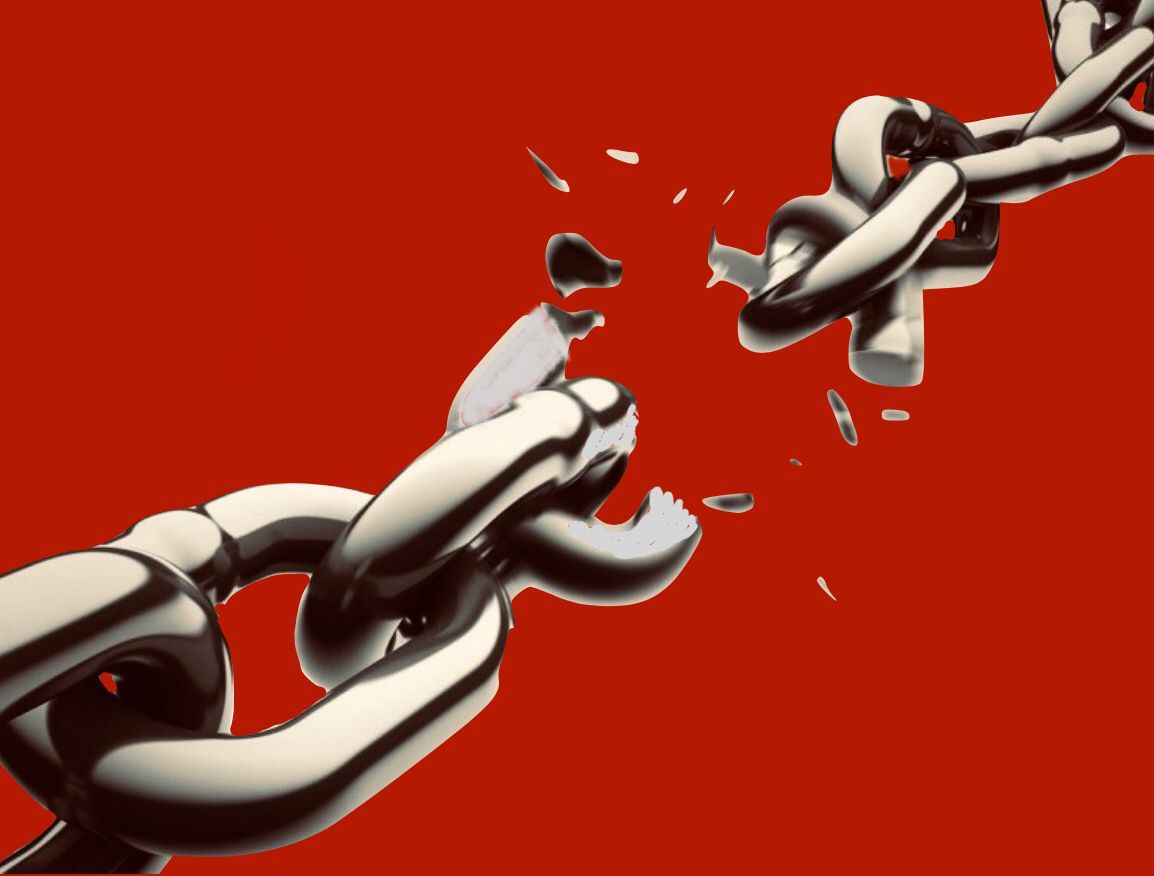
Così il ciclo si ripete: tra ricchi ci si divide, ci si insulta, si litiga… ma mai ci si uccide. Tra poveri, invece, ci si uccide e come, solo per il colore della divisa diversa. La guerra arriva sempre puntuale, sotto forma di inflazione, precarietà e morti lontane. Il messaggio è chiaro: la guerra dei potenti è pagata dai nullatenenti perché, per dirla con Marx ed Engels, i proletari non hanno nulla da perdere se non le proprie catene.
Europe and Ukraine: the War of the Rich, the Price Paid by the Poor
In the great circus of European politics, heads of state applaud one another and exchange pats on the back: €90 billion for Ukraine, guaranteed loans, a “sound” budget. But who really pays? Not the big bankers, not the shareholders, not the Russian or European magnates. The ones who pay are the proletarians, the working class—the sweat and the lives of those who count for nothing in the halls of power.
After all, everyone knows the saying: si vis pacem, para bellum. And so the defense of Fortress Europe, the defense of so-called Western democratic values, of “freedom” and all the abstract idealistic nonsense, has become a budget item with no limits. Defense, they say… the defense of bourgeois democracy, of the freedom to exploit the working class to the last drop, to squeeze out as much surplus value as possible; the defense of one’s own position and bourgeois interests.
It is a story as old as capitalism itself: the billionaire assets of Russian oligarchs remain intact, merely frozen—because had they really been touched, other capitals would have thought twice before investing in Europe. The protection of movable and immovable property comes first. Dog does not bite dog: the European bourgeoisie quarrels, negotiates, threatens, but never goes all the way. The rules of the game always protect the powerful, while the working class gets kicked by the economy and by war.
Von der Leyen informs us that peace is over, while the French Chief of the Armed Forces’ General Staff, Mandon, invites us to accept the future loss of our children—what’s the big deal! What wouldn’t one do for the homeland: the homeland of bourgeois interests, of the ruling class’s prospects, of proletarian blood sacrifices on the altar of capital accumulation, after already bleeding workers dry by extracting every last drop of surplus value.
And while chancelleries argue over percentages and guarantees, European families face rising prices, shrinking services, and economic uncertainty. International solidarity? Just a word that sounds good in official speeches. The reality is that wars are fought with the money of the poor and the lives of the most vulnerable, while the rich count their profits in safety—whether European, American, or Russian.
The paradox is glaring: legal justice saves the frozen multimillion-euro assets of Russian oligarchs, while social justice does not exist for those who work. The EU loan to Ukraine, praised as an act of “common sense,” is nothing more than a forced transfer of wealth from the bottom to the top, from us to them, disguised as political heroism. The result? The European bourgeoisie can continue its war without getting its hands dirty, maintaining its credibility with international investors and without seriously offending the Russian “enemy.” Heaven forbid the doors be shut forever—one never knows when it might be useful to keep them ajar. After all, it is always the proletariat that pays, with tears, sacrifices, and blood.
This must be stated forcefully—and we will never tire of repeating it: the proletariat cannot afford the luxury of siding with either Europe or Russia, let alone the United States, since all of them are direct expressions of power in the hands of their respective bourgeoisies. Already battered by precarity, daily sacrifices, and the economic war waged by the powerful, workers must not also become “cuckolded and happy,” choosing which master to support—the “less unpleasant” or the “less aggressive” among them. Any temptation to side with a capital or a government at war is a trap: the enemy is at home, in the relations of production, in the social structure that crushes those who work. This does not mean betraying one’s class like a modern-day Ephialtes; it simply means refusing to take the side of the bourgeoisie, defending one’s own existence and class interests without being fooled by the appearance of morality or sympathy displayed by warring rulers.
And so the cycle repeats itself: among the rich, wealth is divided, insults are exchanged, quarrels erupt—but they never kill each other. Among the poor, instead, they kill one another all too well, for the mere color of a different uniform. War always arrives on time, in the form of inflation, precarity, and distant deaths. The message is clear: the wars of the powerful are paid for by the propertyless, because—as Marx and Engels put it—the proletarians have nothing to lose but their chains.
 InterLab